Virtual AT Instruction: Discussion Paper
Reprint from Perkins.org Statistics related to virtual AT instruction which can be used to develop best practices! Educators in the...
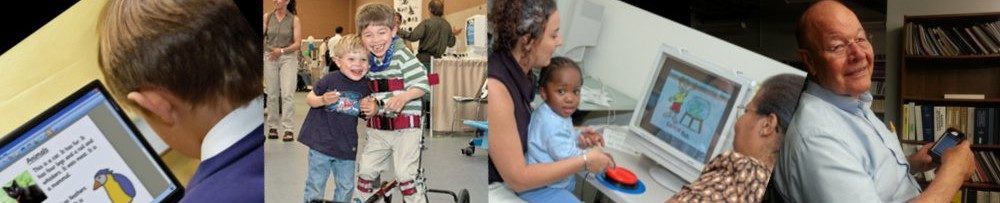
Reprint from Perkins.org Statistics related to virtual AT instruction which can be used to develop best practices! Educators in the...
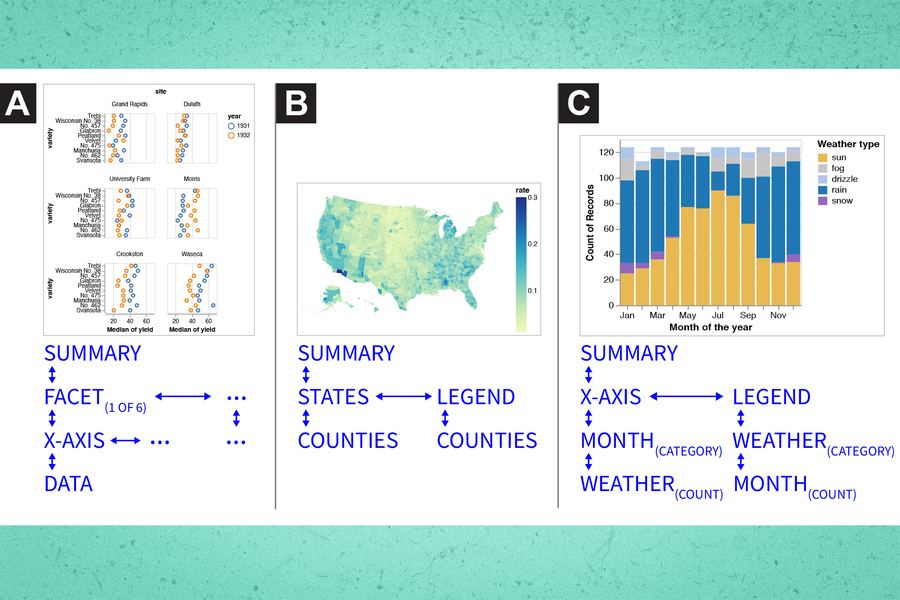
By Adam Zewe | MIT News Office Data visualizations on the web are largely inaccessible for blind and low-vision individuals who...
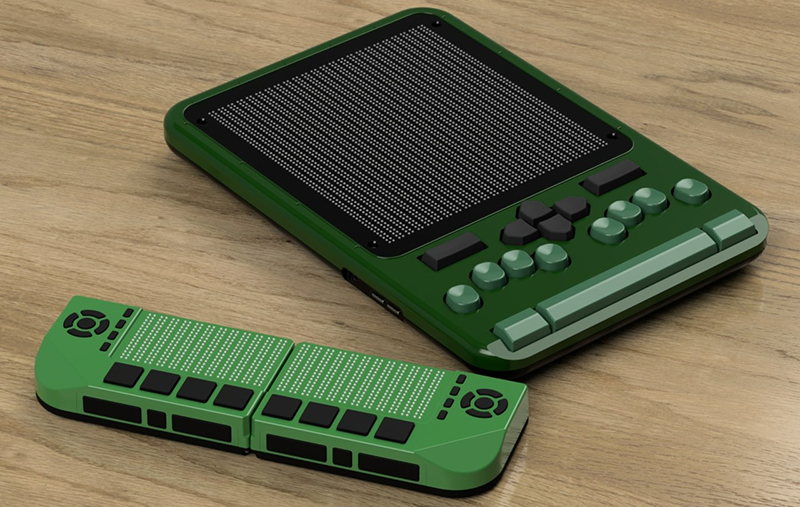
By Steve Martin, sgmartin@prf.org An educational technology company in Purdue Research Park has received a grant from the National Science...
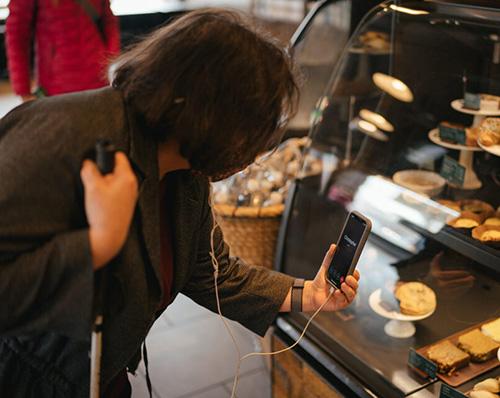
By Marianne Wilson Starbucks Corp. is partnering with a technology company to make it easier for customers with vision problems to...

By VENKAT for The Assistive Technology Blog Remember the Braille Bricks project Lego piloted last year? Those Braille Bricks have finally officially...
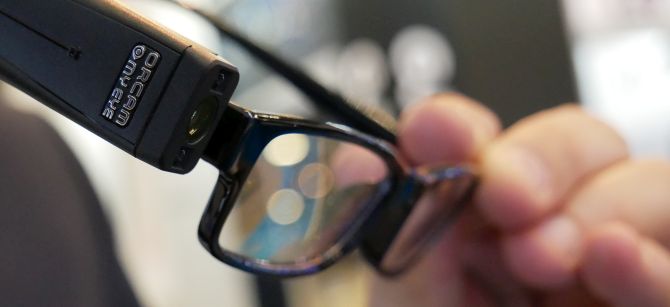
By Tina Sieber for “Make Use Of” Tech News Few things are as isolating as losing one of your basic senses....

By McKinley Corbley – for The Good News Network This electronic walking stick is revolutionizing the way that blind people...

By Elyse Wanshel Reporter, HuffPost OrCam is a device that reads text aloud to people who are visually impaired or...

By Abrar Al-Heeti for CNET When Apple’s iPhone was released in 2007, Erin Lauridsen was frustrated. As someone who’s blind, she...
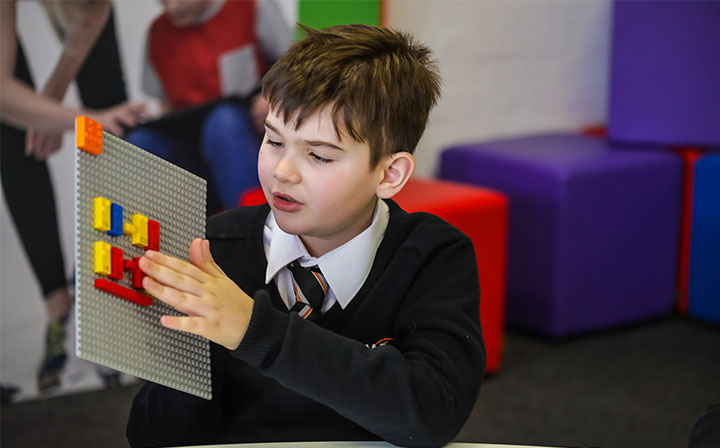
The LEGO Foundation and LEGO Group has announced their support of a pioneering project that will help blind and visually...

iCanConnect provides people with both significant vision and hearing loss with free equipment and training. iCanConnect is a national program...

by Lee Learson · Published November 22, 2018 · Last modified November 27, 2018
Assistive technology is making it easier for people who are visually impaired to buy groceries, hail rides, and more. For...

The following are some apps that can help travelers with disabilities smooth the way. Google Maps (iOS and Android) has...

By: Jenny Lay-Flurrie – Microsoft Chief Accessibility Officer Microsoft announces new technology and resources for people with disabilities. The goal of...
Assistive Technology Devices / Current News
by Lee Learson · Published May 17, 2018 · Last modified November 27, 2018
By: Joe Rossignol (MacRumors Newsletter) Apple announced that its Everyone Can Code curriculum is expanding to schools serving deaf, blind,...
The A. J. Pappanikou Center is a disability research and training program located on the campus of the University of Connecticut Health Center in Farmington, Connecticut. The Center is one of a national network of University Centers for Excellence in Developmental Disabilities Education, Research and Service (UCEDD) authorized by the federal Developmental Disabilities Assistance and Bill of Rights Act and funded through the Administration on Developmental Disabilities.
More
Free AT Demo Days:
AT for Education & Learning, AT for Bling & Low Vision and AT for Physical Access & Participation: Sept. 23, 2026; 3pm ET
AT for AAC (Part 1): Sept. 30, 2026; 3pm ET
AT for AAC (Part 2): Oct. 7, 2026; 3pm ET
Visual-First Task Design: Sept. 9, 2026; 4pm (UK time)
Delivering equitable assessments for diverse learners aligned to the SETT framework: Sept. 23, 2026; 4pm (UK time)
Using Assistive Technology in Schools to Optimize Independent Learning; Oct. 7, 2026; 4pm (UK time)
What If Visual Supports Took Seconds, Not Hours?: Oct. 14, 2026; 4pm (UK time)
CEC (Council for Exceptional Children)
Check, Adapt, Support: Assessment That Meets Students Where They Are: Sept. 8, 2026; 5:00 pm (EDT)
Practical Tech Tools for Data Driven Progress Monitoring: Sept. 22, 2026; 5:00 pm (EDT)
Beyond the Classroom: Technology to Support Student Learning at Home: Sept. 22, 2026; 5:00 pm (EDT)
Improving Literacy Outcomes with AI: Lessons from Schools Around the World: Sept. 8, 2026; 12pm EDT
Leading and Sustaining Technology Innovations in Today’s School District Settings: Sept. 14, 2026; 5pm EDT
AI in the Classroom: Practical Tools, Smart Workflows, Future-Ready Teaching Strategies: Sept. 17, 2026; 4pm EDT
Back-to-school success: Assistive technology for reading: Sept, 10, 2026; 1pm CT
Back-to-school success: Assistive technology for writing: Sept. 17, 2026; 1pm CT
Understanding special education: Process and rights: Sept. 23, 2026; 12 pm CT
SETC (Special Education Technology Center)
The Art and Science of Access: When the Right Position Sparks Connection: Sept. 25, 2026; 9am PST
Assistive Technology & AAC Office Hours – Low-Tech AAC That Doesn’t Feel Like a Downgrade: Oct. 5, 2026: 11:00 am PST
Clicker Collaborative: Sharing Strategies for Writing Access – Session 1: Oct. 8, 2026; 4:00 pm PST
Assistive & Inclusive Tech Spotlight: Blind/Low Vision Tech for Early Learners: Oct. 21, 2026: 4pm PST
Assistive Technology & AAC Office Hours – iPad Settings That Actually Matter: Nov. 2, 2026: 11:00am PST
September 2026 Certification Pop-Up: Sept. 10, 2026; 12pm EST
Design, Build, Empower: Your Guide to DIY AT Webinar: Sept,16, 2026; 3pm EST
October 13 to Nov. 5, 2026: AT Fundamentals Course.