9 Tips for Using AI for Learning (and Fun!)
By Daniel Leonard for Edutopia These innovative, AI-driven activities will help you engage students across grade levels and subject areas. Artificial...
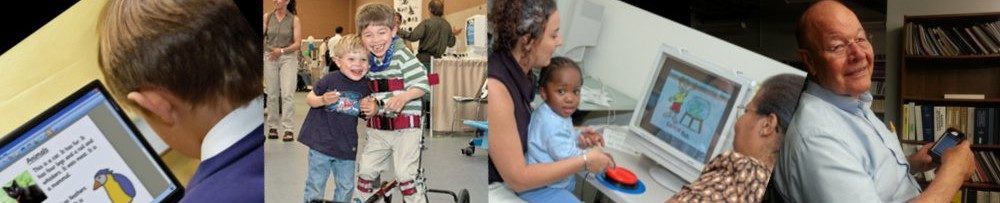

By Daniel Leonard for Edutopia These innovative, AI-driven activities will help you engage students across grade levels and subject areas. Artificial...

By Dor Schwartz reprint from Geektime The Israeli firm targets inclusion and independence through technology, now powering Alexa with speech...
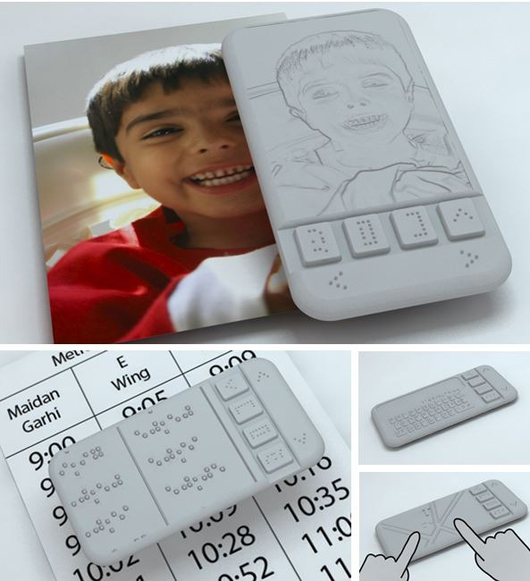
Reprint from Motobility Firstly, what is assistive technology? Assistive Technology is any device or piece of technology, being large or...
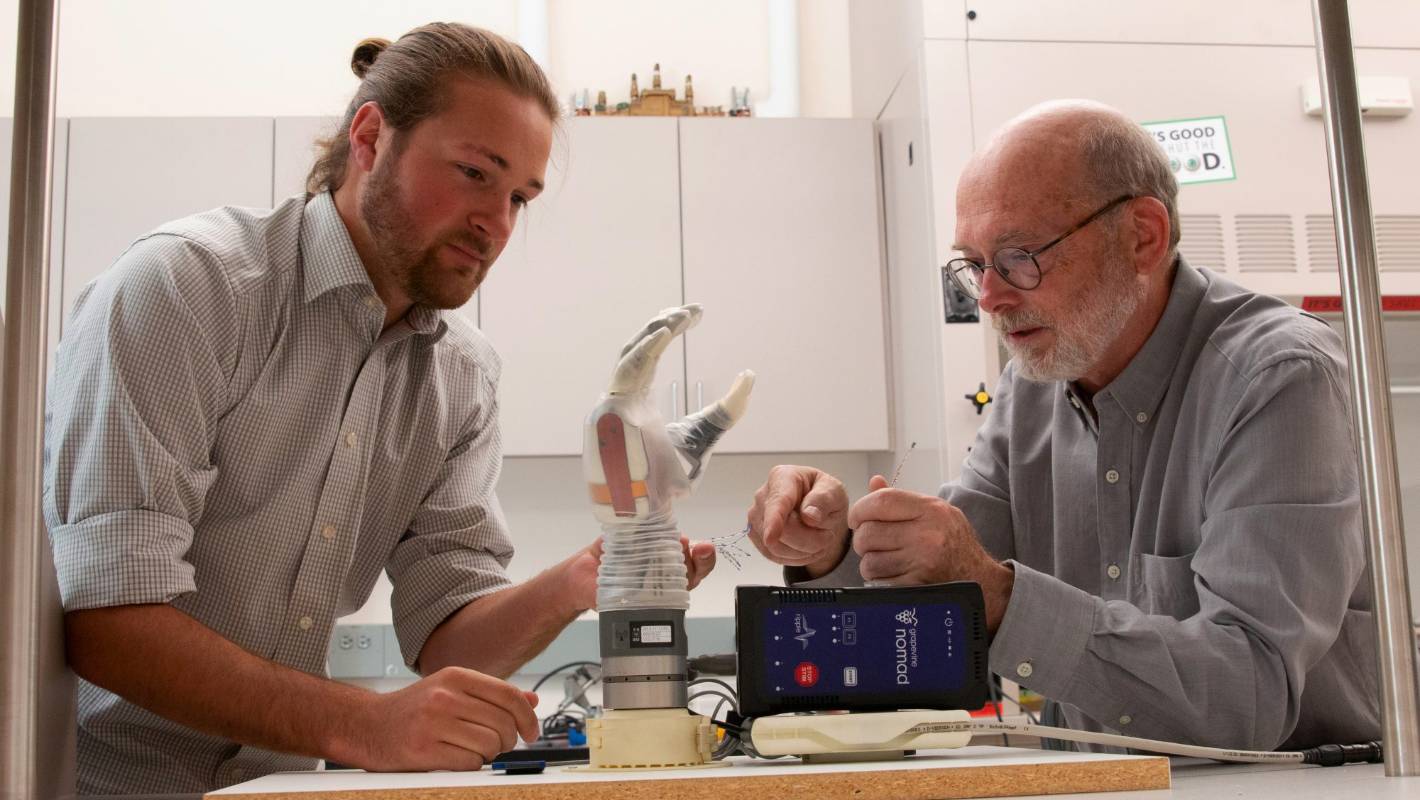
By Payal Dhar for STUFF Doctoral student Jacob George, left, and professor Greg Clark examine the LUKE arm, a motorized...

By McKinley Corbley – for The Good News Network This electronic walking stick is revolutionizing the way that blind people...

By Shara Tibken, Roger Cheng for CNET This is part of CNET’s “Tech Enabled” series about the role technology plays...
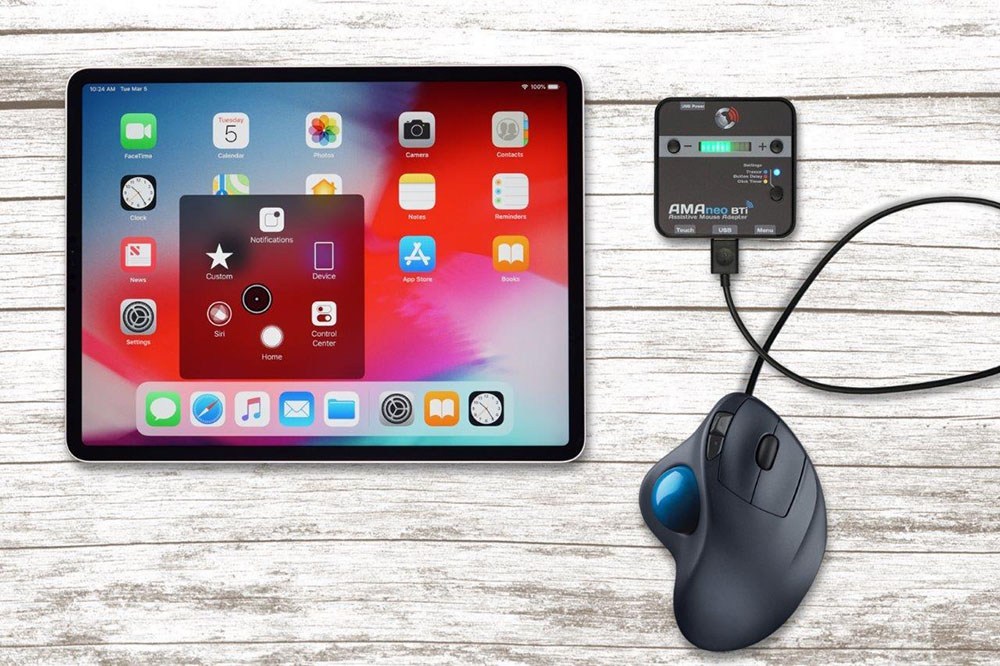
By AT Today CSS MicroSystems, a German manufacturer of electronic assistive technology, has launched AMAneo BTi, an adapter that can...
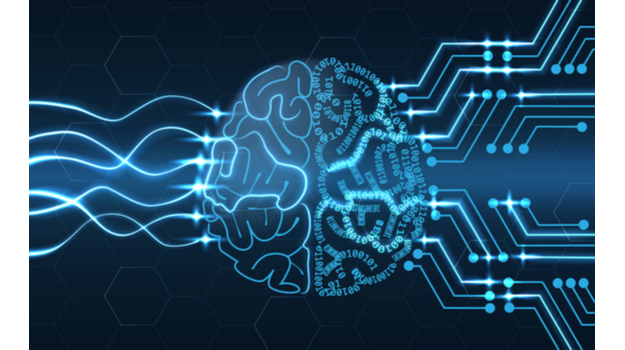
By Mark Terry (reprint from BioSpace ) Researchers with the University of California, San Francisco (UCSF) developed a “neural decoder”...

by Kenny Walter – Digital Reporter – @RandDMagazine Everyday tasks like grocery shopping can be exceedingly difficult for those who...
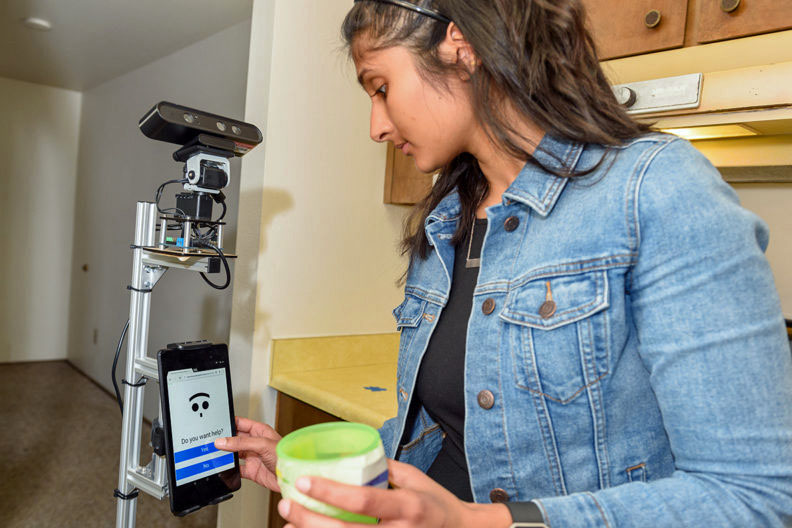
By Will Ferguson, WSU News A robot created by Washington State University scientists could help elderly people with dementia and...

By: Jenny Lay-Flurrie – Microsoft Chief Accessibility Officer Microsoft announces new technology and resources for people with disabilities. The goal of...

by Lee Learson · Published May 24, 2018 · Last modified November 27, 2018
By Cal Jeffrey (Techspot) Microsoft just announced a new controller for the Xbox One that will bring accessibility to gaming...

Assistive Technology Devices / Current News
by Lee Learson · Published May 17, 2018 · Last modified November 27, 2018
By: Joe Rossignol (MacRumors Newsletter) Apple announced that its Everyone Can Code curriculum is expanding to schools serving deaf, blind,...

By Devindra Hardawar (Engadget) One of Microsoft’s biggest announcements at Build this year is all about using artificial intelligence for...

By Matthew Lynch (The Tech Edvocate) The advances in technology could mean more for society than just new educational technology...
The A. J. Pappanikou Center is a disability research and training program located on the campus of the University of Connecticut Health Center in Farmington, Connecticut. The Center is one of a national network of University Centers for Excellence in Developmental Disabilities Education, Research and Service (UCEDD) authorized by the federal Developmental Disabilities Assistance and Bill of Rights Act and funded through the Administration on Developmental Disabilities.
More
Regional & Local Events
The New England Regional Braille Challenge is right around the corner! Join us for a full day of competition, community, and celebration of braille literacy for students, families, and educators.
Date: Saturday, February 28, 2026 (Snow Date: March 7); Time: 9:00 a.m. – 3:00 p.m. ET; Location: The Carroll Center for the Blind, 770 Centre Street, Newton, MA 02458
Live Webinars
AAC Coaching Clarified: Exploring Different Coaching Models: Feb. 25, 2026; 3:00pm EST
Math Unlocked: Building Conceptual Foundations and Ditching Expiring Rules for Early Learners: Mar. 5, 2026; 3:00pm EST
Exploring text-to-speech solutions and how they can be used to boost confidence and independent learning: Feb. 25, 2026; 4:00pm (UK time)
SensePilot – Hands-Free PC Control with Webcam and Voice: Mar. 11, 2026; 4:00pm; (UK time)
Switchify app: developing Android solutions for switch users: Mar. 18, 2026; 4:00 pm (UK time)
Sensory Magnus Magnifier & Reader – how it came about and what’s new: Mar. 25, 2026; 4:00pm (UK Time)
CEC (Council for Exceptional Children)
Navigating Access and Inclusion: Distinguishing Between Assistive Technology and Universal Design for Learning: Apr. 14, 2026; 4:30 PM EST
Cybersecurity Priorities, Policies, and Practices for K-12 Leaders: Mar. 9, 2026; 5:00 pm EDT
Teaching AI with Confidence: Skills and Strategies for AI Literacy Day: Mar. 11, 2026; 12:00 pm EDT
Achieving Systematic Writing Instruction: The Science of Writing Part 3: Apr. 14, 2026; 6:00 pm EDT
The Power of Productivity: Accessing Copilot in Office 365 with JAWS: Mar. 5, 2026; 12:00 pm EST
Doesn’t Everybody Use Assistive Technology? Blurring the Line Between Accommodations and Productivity Tools: Mar. 11, 2026; 12 pm (EST)
There Should Be a Tool for That – What Assistive Technologies Would You Like to See Developed in the Future?: Apr. 1, 2026; 12 pm (EST)
Free Assistive Technology Brain Dump – How Many Free Tools Can We Talk About in One Hour?: Apr, 22, 2026; 12 pm (EST)
How to Stay Up-To-Date with Assistive Technology – Share Your Modes of Professional Development: May 13, 2026; 12 pm (EST)
Assistive technology for early childhood: Mar 5, 2026; 1:00 PM EST
Exploring Chromebook accessibility: Apr 9, 2026; 1:00 PM EST
Overcoming barriers to communication with your child’s IEP team: Apr 15, 2026; 01:00 PM EST
SETC (Special Education Technology Center)
Headpointing in Action: Mar. 17, 2026; 12:00 PM
Meaningful Inclusion of Students with Significant Support Needs & Complex Communication Needs (CCN): Mar. 17, 2026; 4:00 PM
Strengthening Teacher-Para Partnerships: Inclusive Practices, Technology, and Teamwork: Mar. 18, 2026; 3:30 PM PST
Meaningful Inclusion of Students with Significant Support Needs & Complex Communication Needs (CCN): Apr. 21,2026; 4:00 pm PST
AT Fundamentals Course: Feb. 10 to Mar. 5, 2026; 7:00 to 9:00 PM EST
Navigating Automotive Mobility: From Assessment to Independent Driving with NMEDA: Mar, 4, 2026
March 2026 Certification Pop-Up: Mar. 19, 2026