
Assistive aging technology trends to watch in 2026
By Roland Mattern (Reprint from McKnights Home Care)
Assistive technology continues to transform how older adults live, enhancing independence, safety and overall quality of life. From smart wearables that monitor health to AI-enabled devices that simplify daily routines, technology is empowering aging populations to stay active and engaged.
Last year marked a pivotal moment for aging-focused assistive technology. AI-powered applications in wearables, smart home systems and apps began to simplify communication, support daily tasks and reduce caregiver burden. Innovations like live AI in smart glasses enabled hands-free interaction and personalized assistance, demonstrating real-world value for older adults.
At the same time, it has become clear that assistive technology must be designed differently for aging users. Older adults increasingly value intuitive, easy-to-use solutions that address real-world challenges such as vision, mobility and cognitive support. This growing emphasis on ease of use and practical functionality is shaping how assistive technologies are designed and will continue to influence the market’s direction.
With that foundation, here’s a look at the most notable assistive technology trends to watch in 2026, as assistive technology devices continue to evolve in response to both user needs and technological advances.
2026 assistive tech trends to watch
In 2026, consumer electronics will play an increasingly important role in assistive technology. Devices such as smart glasses and smartphones are incorporating accessibility features that help older adults maintain independence, using tools like voice commands and simplified interfaces.
AR and AI are taking assistive devices to the next level, turning them from single-purpose tools into solutions with practical, everyday applications. For older adults, AR can overlay helpful information in real time, such as displaying directions or enhancing text. AI can provide features such as facial recognition to identify family members and caregivers, as well as reminders for medications and calendar events.
Assistive technology for people who are legally blind or visually impaired is also evolving quickly. Wearable low-vision devices can capture and enhance what users see in real time, improving their field of view. With these tools, older adults can read text, recognize faces and navigate their surroundings with greater confidence and independence.
Impact on older adults and care professionals
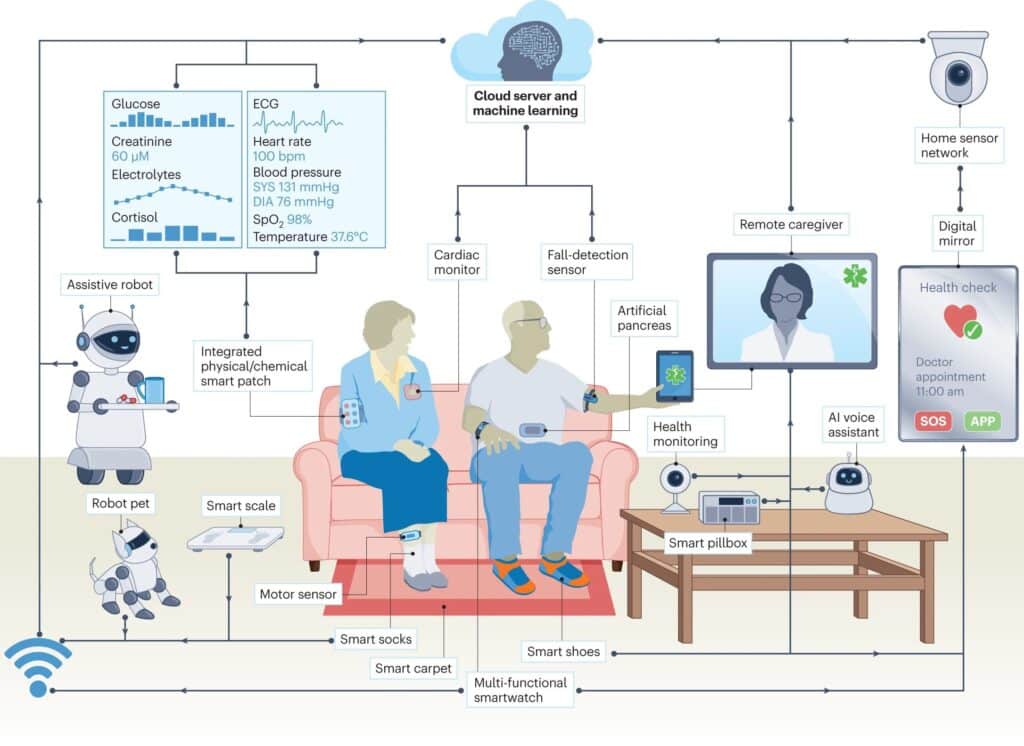
Assistive technology will continue to support aging individuals and their caregivers, enhancing independence and providing peace of mind for both users and their families. AR and AI-powered devices, low-vision wearables and assistive technology help older adults manage daily tasks, monitor their health and move safely through various environments.
Integration with smart home systems and mainstream technology further streamlines routines, while voice commands, gestures and personalized AI features make interactions simple and natural. Professionals caring for the aging population also benefit by staying up to date on these technologies. Understanding how they work and what to recommend allows them to provide more effective support and makes their jobs easier over time.
Looking ahead
In 2026, assistive technology will continue advancing through AI-driven innovations, wearable devices and integrated solutions. The ultimate goal remains empowering older adults to live independent, safe and fulfilling lives. For home care professionals, advocates and aging services teams, it’s essential to understand these technologies and be able to explain them to older adults, helping them utilize the tools effectively. These technologies enhance client engagement, improve safety and enable personalized support. As consumer technology converges with assistive solutions, accessibility will become increasingly seamless, helping older adults thrive while enabling care professionals to do their jobs more efficiently.